
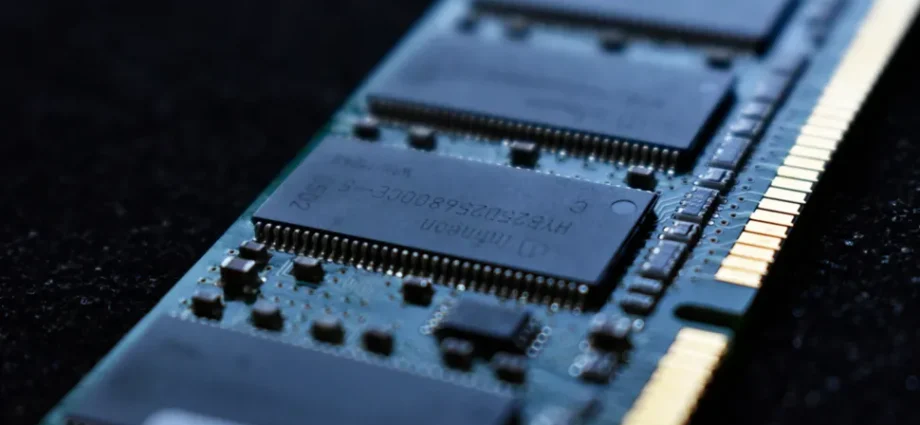
The global RAM (computer memory) crisis is getting worse — and Nigerians are likely to feel it more sharply in 2026 through higher prices for laptops, desktops, and even smartphones.
Here’s what’s happening, in simple terms 👇
The United States government has warned two of the world’s biggest memory chip makers — Samsung and SK Hynix (both based in Asia) — that they could face up to 100% tariffs if they don’t move more of their chip manufacturing to the US.
A 100% tariff basically means:
👉 the cost of importing RAM into the US could double.
According to the US Commerce Secretary, Howard Lutnick, companies now have only two options:
- Build memory chip factories in the US, or
- Pay massive import taxes when selling to the American market.
Why this matters to Nigeria
Even though Nigeria is not directly involved, the impact is global:
- Global supply chains are connected — when prices rise in the US, manufacturers adjust prices worldwide.
- Nigeria imports almost all its PCs, laptops, and components, including RAM.
- Any global price hike means higher dollar prices, which then become even more expensive in naira due to exchange rates.
So Nigerians may soon see:
- Higher prices for laptops and desktop upgrades
- More expensive RAM replacements and repairs
- Increased cost of tech devices used by students, businesses, and creators
The bigger picture
The US wants chip giants to manufacture locally to protect its economy, but this pressure could:
- Reduce global RAM supply in the short term
- Push manufacturers’ costs higher
- Pass the burden down to consumers — including Nigerians
Meanwhile, even Micron, the major US-based memory company, still produces much of its chips abroad, though it’s now investing heavily (over $100 billion) to expand manufacturing in the US.
Bottom line for Nigerians
If you’re planning to buy a laptop, upgrade RAM, or build a PC in 2026, prices are unlikely to get cheaper anytime soon.
Businesses, students, and tech professionals should plan ahead and budget for higher hardware costs.
In short:
What starts as a US trade policy decision may soon show up as more expensive tech in Nigerian markets.